
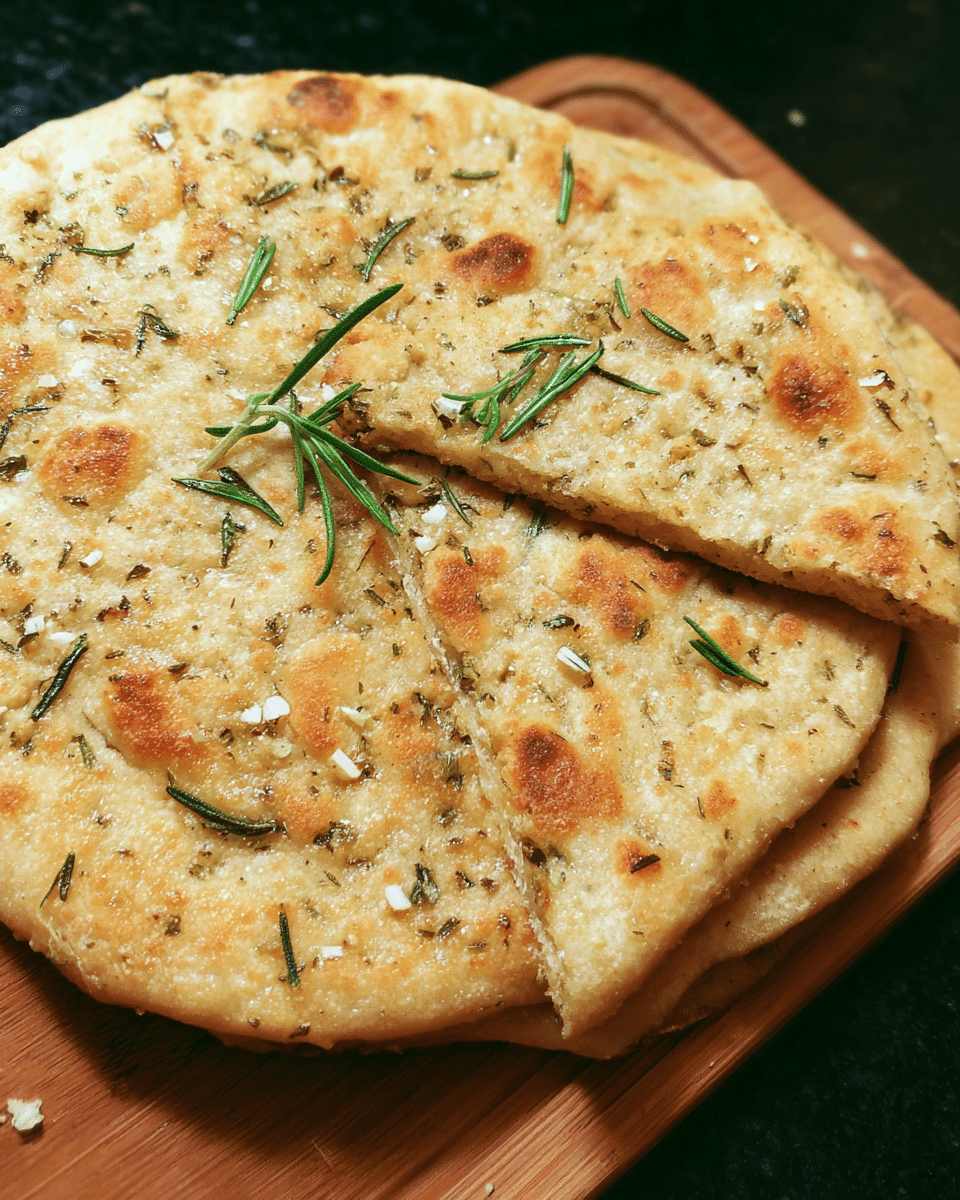
Freshly cooked garlic herb flatbread bites bring together everything people love about homemade bread: a tender texture, fragrant herbs, and a golden surface that develops beautifully in a hot skillet. Unlike many bread recipes that require complicated techniques or specialized equipment, this one relies on pantry staples and a straightforward process. The result is a versatile flatbread that works as an appetizer, side dish, wrap, or snack.
The combination of garlic, rosemary, and thyme creates an inviting aroma that fills the kitchen as each round cooks. Whether served alongside a hearty dinner or enjoyed with your favorite dip, these homemade flatbreads deliver comforting flavor with very little effort.
Print
Garlic Herb Flatbread Bites: Soft, Flavorful Homemade Bread
- Total Time: 2 hours
- Yield: 6 flatbreads
- Diet: Vegan
Description
Soft homemade skillet flatbread flavored with fresh garlic, rosemary, and thyme. Perfect for wraps, dipping, and serving alongside soups, salads, and appetizers.
Ingredients
1 packet active dry yeast (2 1/4 teaspoons)
2 garlic cloves, minced (about 1 tablespoon)
1 tablespoon minced fresh rosemary and thyme
3/4 teaspoon sea salt
1/2 teaspoon granulated sugar
1 1/4 cups all-purpose flour
3/4 cup spelt flour (or additional all-purpose flour)
1 tablespoon olive oil, plus extra for greasing
3/4 cup warm water (about 110°F)
Instructions
1. In a large mixing bowl, whisk together the yeast, minced garlic, herbs, salt, sugar, all-purpose flour, and spelt flour.
2. Create a well in the center of the dry ingredients. Add the olive oil and about 1/2 cup of the warm water. Stir with a wooden spoon until a dough begins to form.
3. Gradually add the remaining water as needed until the dough comes together.
4. Transfer the dough to a lightly floured surface and knead for about 2 minutes, or until smooth and elastic. Add a little extra flour if the dough becomes sticky.
5. Lightly oil a clean mixing bowl and place the dough inside, turning it to coat all sides. Cover with a damp towel or plastic wrap and let rise in a warm place for 1 hour, or until doubled in size.
6. Punch down the dough and divide it into 6 equal portions. Arrange the pieces on a clean surface and cover with a damp towel while resting.
7. Heat a large skillet or cast-iron pan over medium-high heat.
8. On a lightly floured surface, roll one dough portion into a thin round, about 1/8 inch thick.
9. Lightly grease the hot skillet and place the flatbread in the pan. Cook for about 2 1/2 minutes without moving it.
10. Flip and cook for another 2 1/2 minutes until lightly browned and cooked through.
11. Repeat with the remaining dough, lightly greasing the skillet as needed.
12. Serve warm for wraps, dipping, or alongside your favorite meals.
Notes
For a softer texture, keep cooked flatbreads covered with a clean kitchen towel until serving.
Additional all-purpose flour may be substituted for the spelt flour.
- Prep Time: 1 hour 30 minutes
- Cook Time: 30 minutes
- Category: Appetizers & Snacks
- Method: Skillet
- Cuisine: Vegan
Why Garlic Herb Flatbread Bites Deserve a Place on Your Table
Garlic Herb Flatbread Bites for Everyday Meals
One of the most appealing qualities of garlic herb flatbread bites is their flexibility. They fit naturally into casual weeknight dinners, weekend gatherings, and even quick lunches. A warm piece of flatbread can transform a simple meal into something far more satisfying.
Because the dough cooks directly in a skillet, there is no need to heat a large oven. This makes the recipe especially useful during warmer months when lighter cooking methods feel more practical. The finished bread develops a delicate chew while remaining soft enough for wraps and sandwiches.
Fresh Herbs That Transform Garlic Herb Flatbread Bites
Fresh rosemary and thyme add a distinctive character that separates this recipe from ordinary flatbread. Rosemary contributes a woodsy aroma, while thyme offers subtle earthiness. Together, they balance the savory notes of garlic without overpowering the dough.
Using fresh herbs creates brighter flavor throughout every bite. As the bread cooks, the oils released from the herbs blend with the garlic, creating a rich aroma that feels both rustic and inviting.
The Appeal of Homemade Skillet Bread
Skillet breads have remained popular across many cultures because they are simple, reliable, and incredibly satisfying. Making bread by hand provides a sense of connection to traditional cooking methods while still fitting into modern schedules.
The dough requires only a brief kneading period before rising, making it approachable even for beginners. Once cooked, the flatbreads develop light golden spots that add texture and visual appeal.
How Garlic Herb Flatbread Bites Deliver Incredible Flavor
The Role of Garlic in Garlic Herb Flatbread Bites
Garlic serves as the foundation of the flavor profile. Minced cloves distribute evenly throughout the dough, ensuring every piece carries a gentle savory note. Rather than overwhelming the bread, the garlic becomes mellow during cooking and complements the herbs beautifully.
The result is a balanced flavor that pairs well with a wide range of foods. From roasted vegetables to soups and spreads, the bread enhances a meal without competing for attention.
Rosemary and Thyme for Aromatic Depth
Rosemary and thyme contribute layers of complexity that make each bite memorable. Their natural oils become more pronounced as the skillet heats the dough, creating an aroma that signals something special is about to be served.
These herbs also provide visual appeal. Tiny green flecks scattered throughout the bread hint at the fresh ingredients used in the recipe and create an artisan-style appearance.
Simple Ingredients With Big Results
Many outstanding recipes rely on simplicity, and this flatbread is a perfect example. Flour, yeast, water, olive oil, garlic, herbs, and seasoning combine to create something far greater than the sum of their parts.
The addition of spelt flour contributes subtle nuttiness and depth, although all-purpose flour works equally well. This adaptability allows home cooks to prepare the recipe with ingredients they already have available.
For an appetizer spread, these flatbreads pair wonderfully with savory snacks such as crispy cheesy chili nacho cups, creating a variety of textures and flavors that guests appreciate.
Making Garlic Herb Flatbread Bites at Home
Preparing the Dough Successfully
The process begins by combining the dry ingredients in a large bowl. Mixing the yeast with the flour and seasonings ensures even distribution throughout the dough. Once the olive oil and warm water are added, the mixture quickly comes together.
A brief kneading period develops structure while maintaining tenderness. After only a couple of minutes, the dough becomes smooth and elastic, ready for its rise.
Creating the Perfect Texture
Allowing the dough to double in size is essential. During this resting period, the yeast creates air pockets that contribute to a lighter texture. Patience at this stage rewards you with softer bread and improved flavor.
After rising, dividing the dough into equal portions helps ensure consistent cooking. Rolling each piece thinly allows the skillet heat to work efficiently, producing flatbreads with a pleasant balance of softness and slight crispness.
Cooking Flatbread in a Skillet
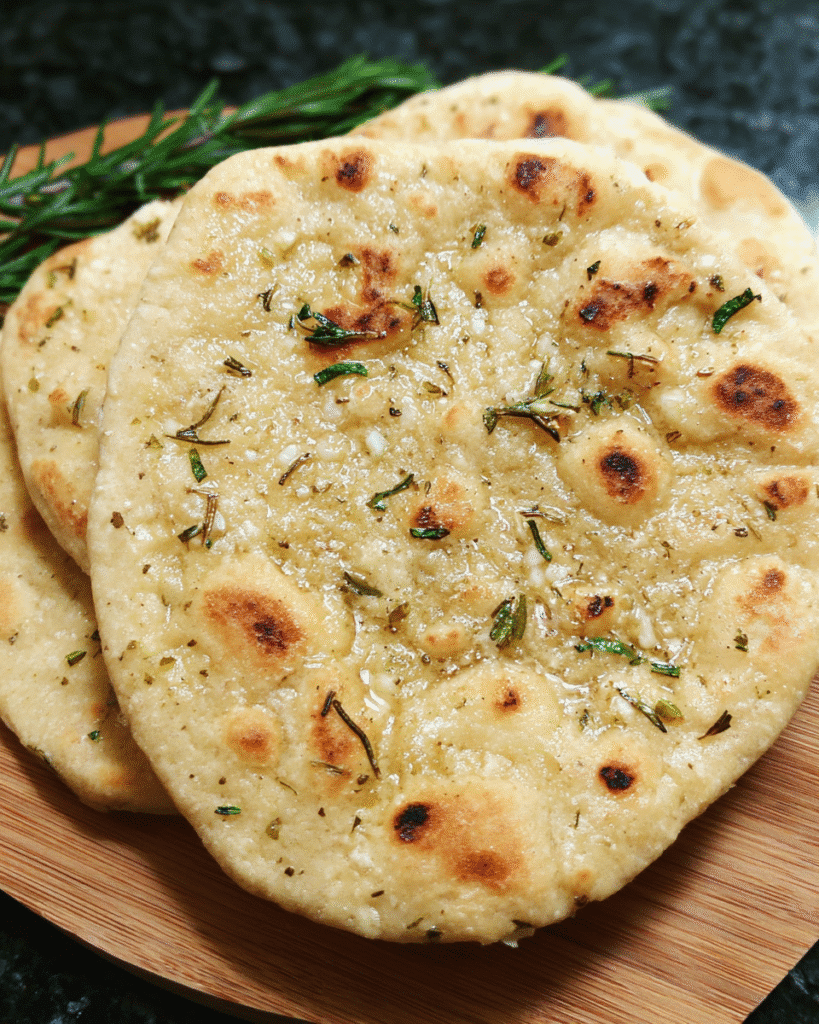
A hot skillet is the key to success. As each round hits the cooking surface, steam develops within the dough and helps create a tender interior. The exterior gradually forms attractive golden patches that signal the bread is ready to flip.
Cooking each side for approximately two and a half minutes produces excellent results. The finished breads should feel light yet substantial, with enough flexibility for wrapping or dipping.
Serving Garlic Herb Flatbread Bites for Any Occasion
Pairing Flatbread With Soups and Salads
Warm flatbread complements many meals. Served alongside vegetable soup or a fresh salad, it adds texture and substance without making the meal feel heavy.
The herb-forward flavor profile pairs especially well with tomato-based dishes, roasted vegetables, and bean soups. A simple meal instantly feels more complete when accompanied by freshly cooked bread.
Dips and Appetizers That Complement Flatbread
These flatbreads shine when paired with dips. Hummus, roasted red pepper spreads, olive tapenade, and dairy-free herb dips all make excellent companions.
When entertaining, consider offering them alongside crispy baked onion petals. The contrast between the crunchy onion petals and the soft bread creates a memorable appetizer combination.
Creative Meal Ideas for Leftovers
Leftover flatbread remains surprisingly versatile. Use it as a wrap for grilled vegetables, slice it into strips for dipping, or toast pieces lightly for a crunchy snack.
Some home cooks even transform leftover bread into personal pizzas by topping it with vegetables and baking briefly until heated through. Its adaptable nature helps reduce food waste while providing quick meal solutions.
Tips for the Best Garlic Herb Flatbread Bites Every Time
Choosing the Right Flour Blend
The blend of all-purpose and spelt flour contributes excellent texture and flavor. Spelt introduces subtle complexity while maintaining softness. If spelt flour is unavailable, additional all-purpose flour still produces excellent results.
Measuring flour carefully also improves consistency. Excess flour can create dense bread, while too little may lead to sticky dough that becomes difficult to handle.
Common Mistakes to Avoid
One common mistake involves using water that is too hot. Excessive heat can affect yeast activity and impact the rise. Warm water around 110°F provides a reliable environment for fermentation.
Another issue occurs when the skillet is not fully heated before cooking. Proper heat encourages even browning and helps develop the texture that makes this bread so appealing.
Storage and Reheating Suggestions
Store cooled flatbread in an airtight container at room temperature for up to two days. For longer storage, freezing works exceptionally well.
To reheat, place the bread in a dry skillet for a minute or two per side. This method restores warmth and freshness without drying out the interior.
FAQs
Fluffy Garlic Flatbread Recipe
For a fluffier result, allow the dough to complete its full rise and avoid adding excessive flour during kneading. Proper fermentation creates more air pockets, resulting in a softer texture.
Italian Garlic Flatbread Recipe
Italian-inspired versions often feature rosemary, thyme, olive oil, and garlic, making this recipe a natural fit. Additional herbs such as oregano or basil can be incorporated for a more Mediterranean flavor profile.
Can Flatbread Dough Be Made Ahead?
Yes. The dough can be prepared in advance and refrigerated after the first rise. Allow it to return closer to room temperature before rolling and cooking.
How Do You Keep Flatbread Soft?
Keep freshly cooked bread covered with a clean kitchen towel while preparing the remaining pieces. This helps retain moisture and maintains softness until serving.
Conclusion
Why This Recipe Stands Out
This recipe combines straightforward preparation with impressive flavor. The balance of fresh herbs, garlic, and skillet-cooked texture creates a bread that feels special without requiring advanced baking skills.
Easy Ways to Customize Flavor
Small adjustments allow endless variation. Different herbs, additional spices, or flavored oils can personalize the recipe while preserving its simplicity.
A Bread Recipe Worth Repeating
Whether served as an appetizer, side dish, or meal component, garlic herb flatbread bites deliver reliable results and satisfying flavor. Once you experience the aroma of fresh herbs and garlic rising from a hot skillet, this recipe is likely to become a regular favorite in your kitchen.
For more successful recipes, you can visit our Pinterest account